
Step-by-Step Guide to a Successful Drip Watering Setup
3rd Jul 2026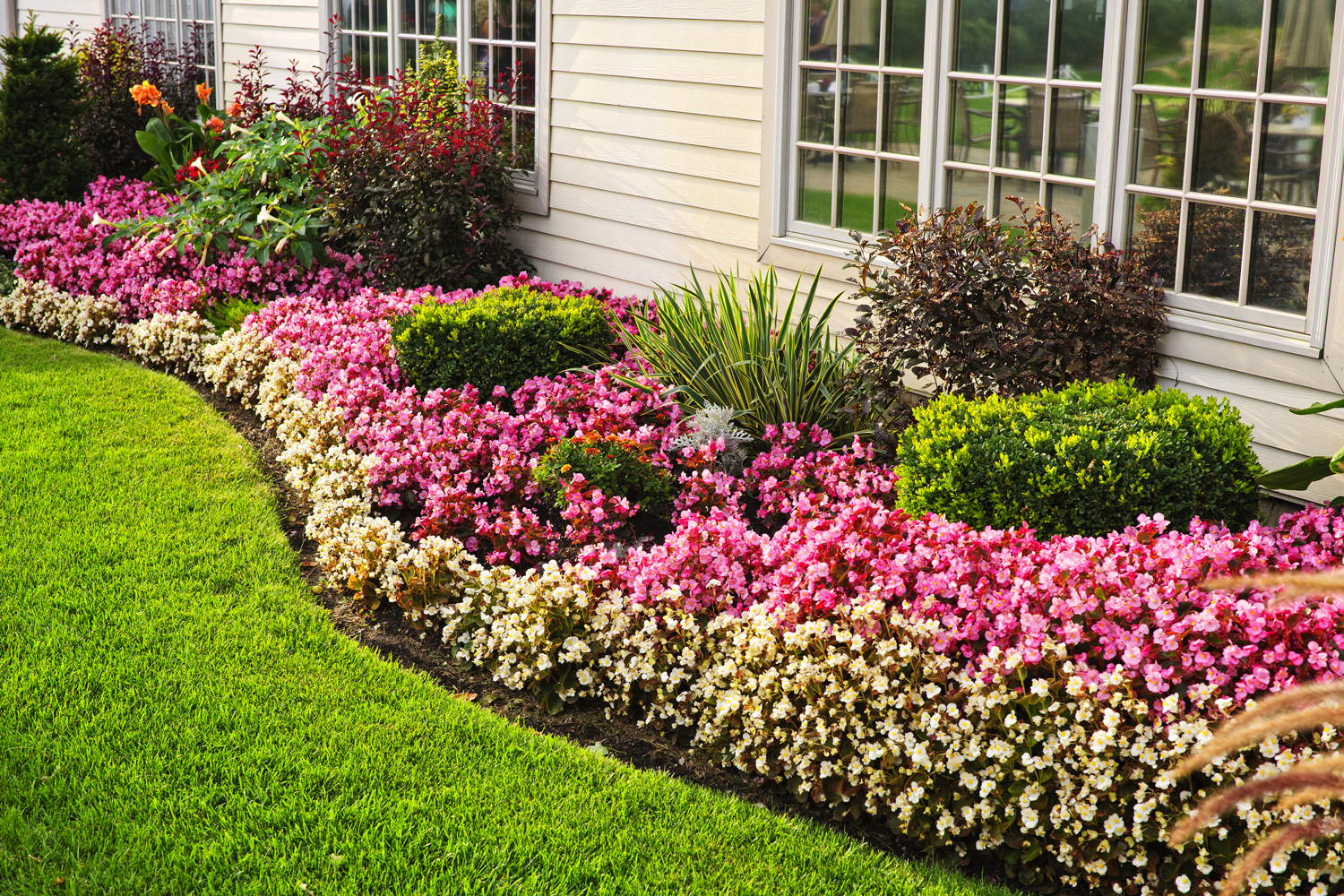
Drip irrigation helps improve the appearance of your landscape by delivering hydration precisely where it's needed. With the right supplies, you can set up an effective drip system in a few simple steps and start enjoying the convenience of hand-free watering—and the beauty of healthy, vibrant plants.
Step 1: Connect to Your Water Source
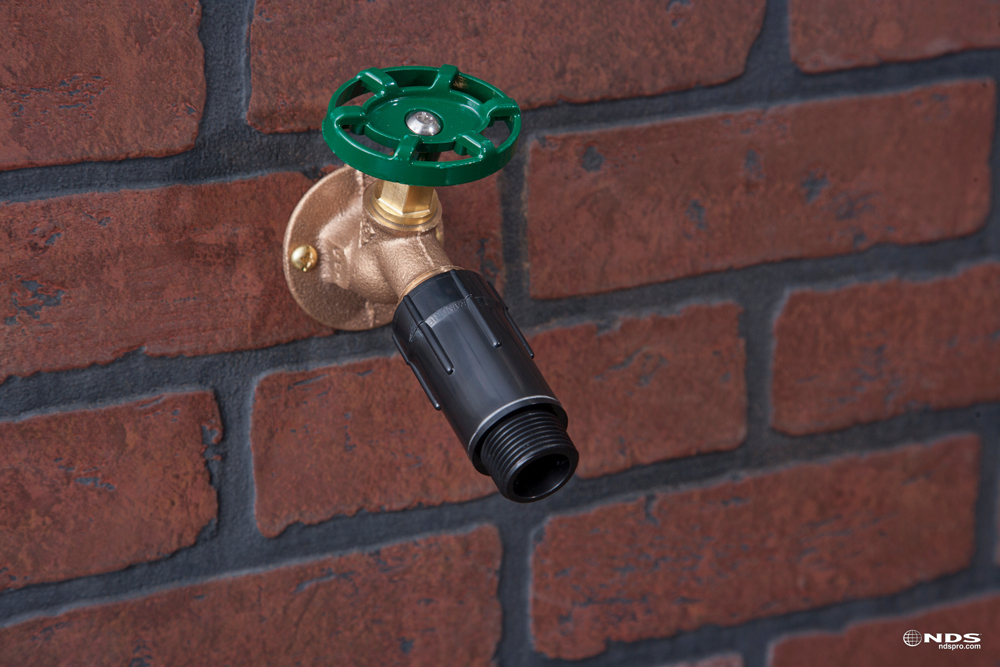
For optimum performance, your drip setup should include a few essential point of connection components attached to your outdoor faucet. Use a filter to help block particles that can clog emitters. Add a pressure regulator (also available with a built-in filter) to help protect against damage from household water pressure which is often much higher than drip systems can handle.
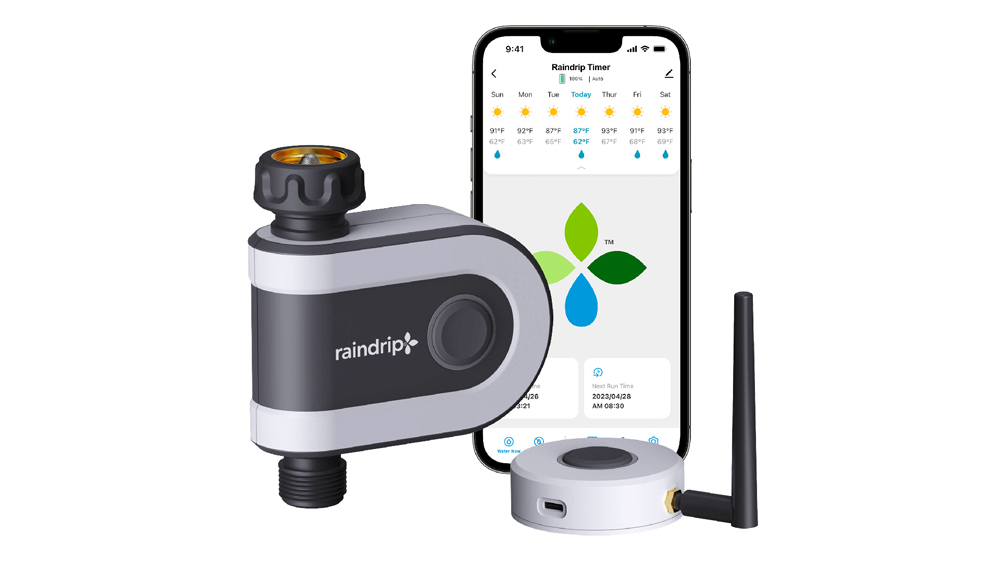
DRIP TIP: Want to make watering even easier? Attach a drip water timer to your system so that you can set watering schedules and help plants stay hydrated even when you're away.
Step 2: Lay Out Your Supply Tubing
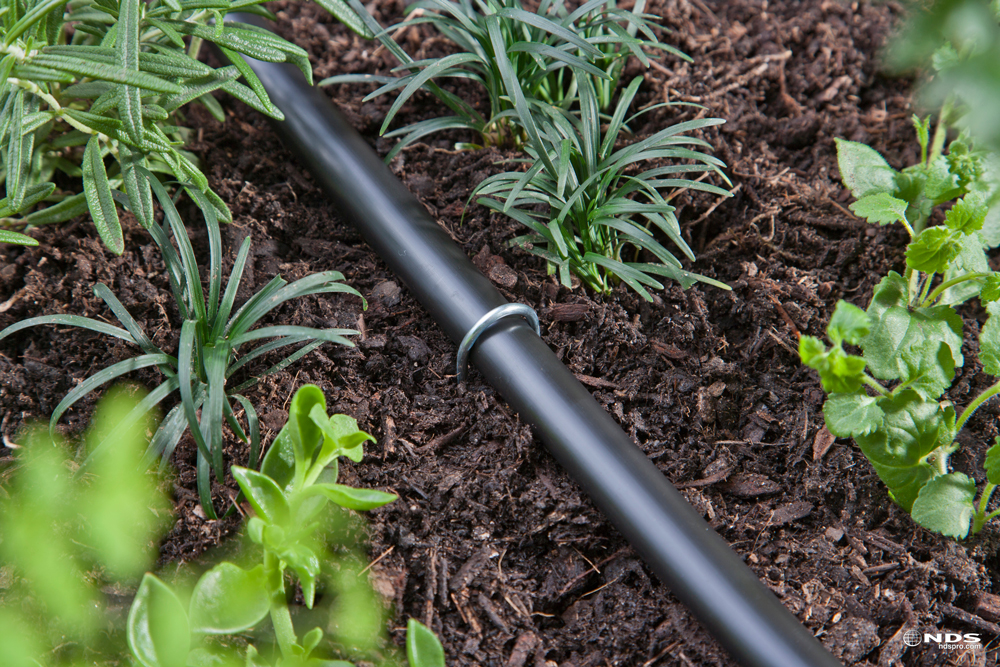
Position supply tubing along the edges of landscape borders, in rows in garden beds, and looped around shrubs that you plan to irrigate. To reach individual plants, you can add distribution lines (also known as feeder lines) to your tubing layout. Use a punch tool to create a clean hole in the main supply tubing where the feeder line will be attached. Insert a barbed connector into the opening, push the feeder tubing on until it reaches the shoulder of the connector, and lay the feeder tubing near the plant you want to water. Now it's time to add emitters!
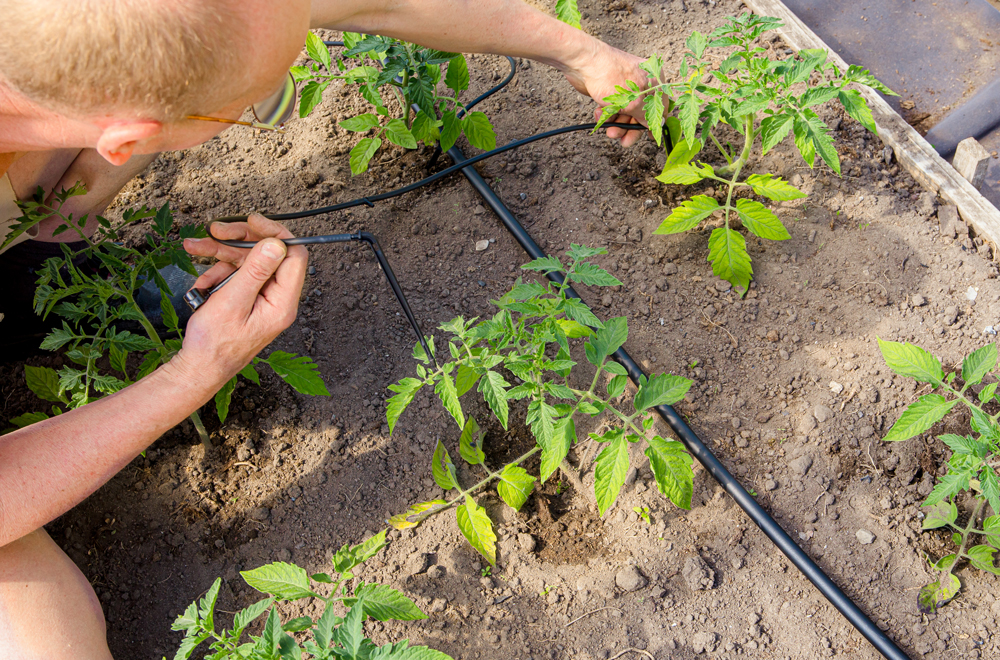
DRIP TIP: Is your tubing too stiff to handle? Let it warm in the sun for 20–30 minutes. The heat will make it more flexible and help reduce kinks during setup.
Step 3: Deliver Water to Your Plants
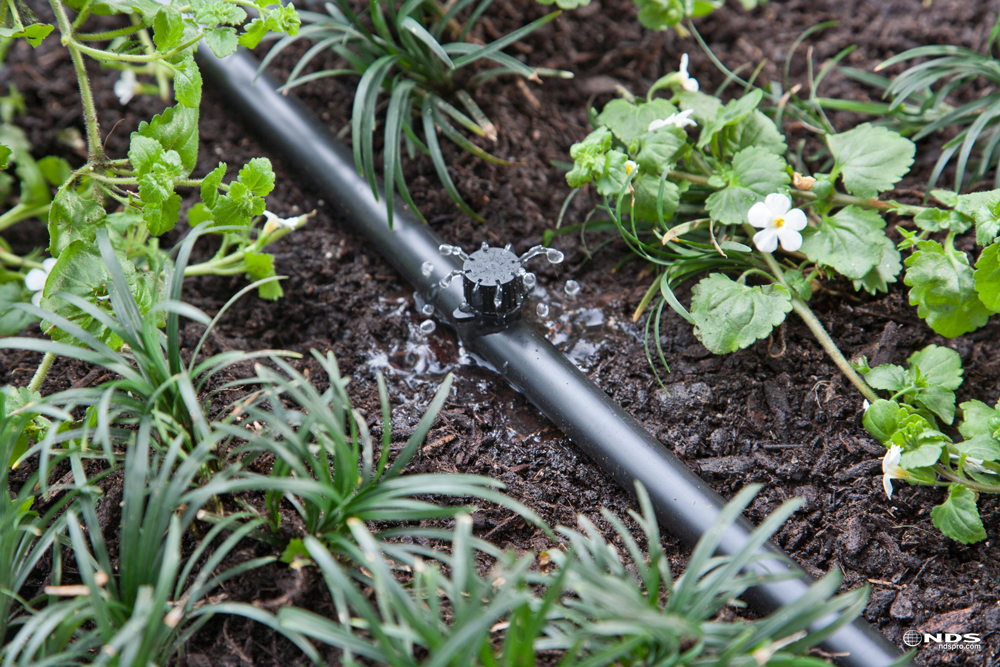
Choose from a wide array of drip irrigation emitters—from drippers and bubblers to micro sprinklers—designed for different flow rates and watering patterns to suit the specific needs of your landscape. For sloped terrain or long runs, look for pressure-compensating emitters like the Raindrip 1/2 GPH Pressure-Compensating Dripper to ensure water output stays steady at every point on the line.
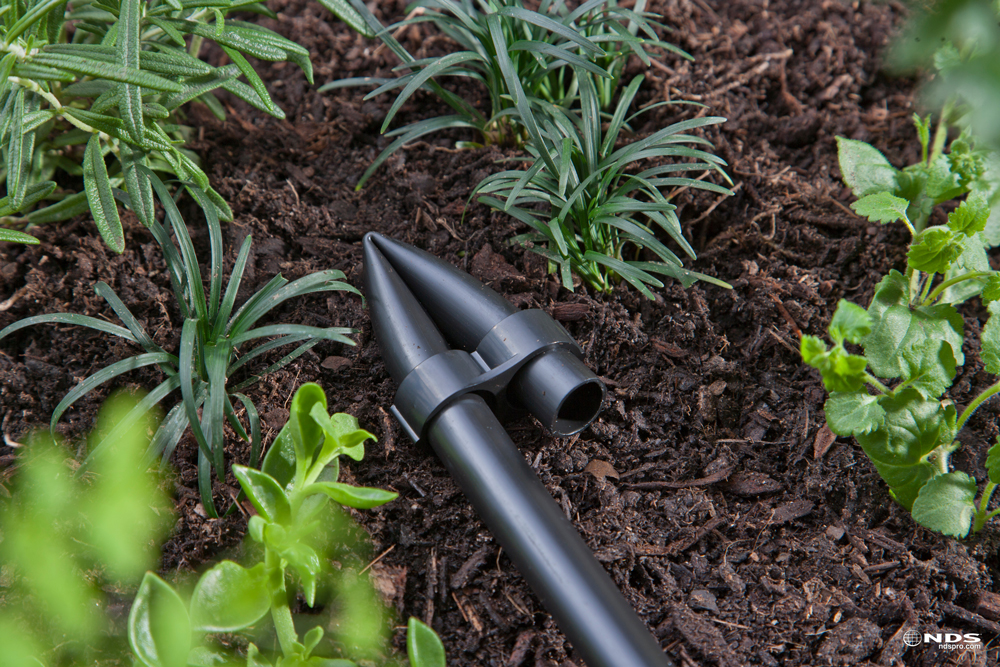
DRIP TIP: Before running your drip system, seal the ends of tubing with an end cap or end clamp to stop water from flowing out and prevent debris from getting in.
By installing drip irrigation, you're investing in an effective way to care for your landscaped areas and help your plants flourish while using less water than conventional sprinklers. Your garden will benefit from this smart choice—and so will the environment!